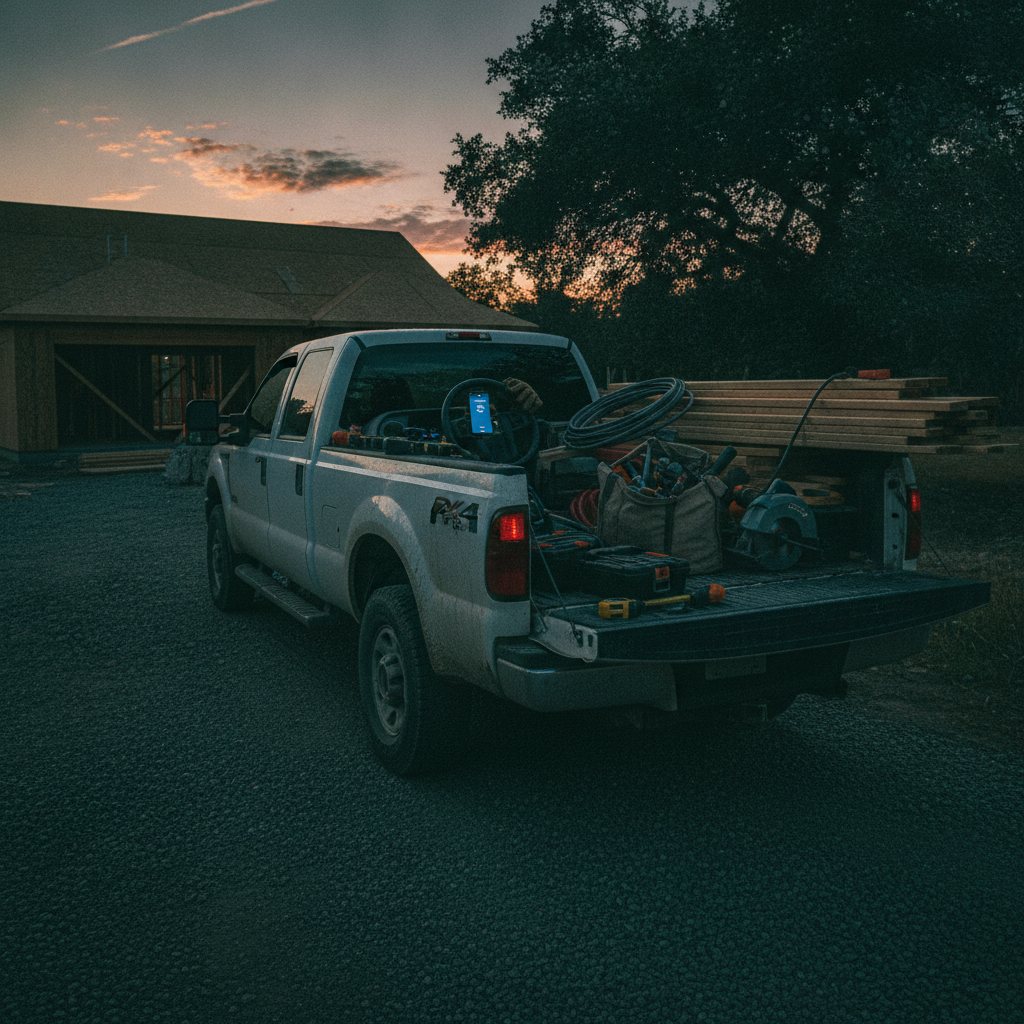
It's 7:04 on a Tuesday and you're elbow-deep in a condenser swap that was supposed to be done an hour ago. Your phone buzzes in the truck. By the time you're cleaned up and back in the cab, the screen says one missed call, no voicemail, a number you don't know.
So you shrug and drive home. It was probably nothing.
Here is what probably actually happened.
What happens on the other end of a missed ring
A homeowner with a dead AC, or water moving across the garage floor, is not in a patient mood. The industry numbers on home-service calls tell a consistent story: most emergency callers will not leave a voicemail, they just dial the next listing, and the large majority of the work goes to the first shop that answers. Caller patience is now measured in a couple of seconds, not minutes. Those are industry averages, not our numbers, but every operator who has watched a "missed call, no voicemail" turn into nothing already knows them in his gut.
The miss does not look like a miss. It looks like a quiet Tuesday. That is what makes it expensive.
The math nobody runs
Put a real job on it. A full system replacement in this market can run around $9,500. If a call like that slips past you even a few times a year, you are not losing phone calls. You are losing the truck payment. Losing the helper you keep saying you can't afford.
And here is the part that stings: you cannot count what never left a trace. No voicemail means no record, which means your gut estimate of "I don't miss that many" is built on the misses you happened to see.
We built a one-page worksheet that lets you run your own number in about a minute, your average job, your honest guess at monthly misses, your annual cost. No email wall, no pitch on the page. It's at the missed-call math. Run it honestly and the number almost always lands higher than the gut estimate, because the misses you never saw are still in it.
Why "just answer more" doesn't work
You are the tech. Hands full is not a failure, it is the job. The 7pm call always comes while you are finishing the 4pm job, and the Saturday call comes while you are finally at your kid's game. The phone problem is not a discipline problem. It is a math problem: one person cannot be on the tools and on the line.
What catching it looks like
This is the problem we built Total Apptitude around. When you can't pick up, the call gets answered in seconds anyway, the emergency gets sorted from the routine, the job gets booked, and the details land in your texts before you've put the wrench down. You stay on the tools. The call stays yours.
And because we know you've been sold to before, the risk sits on us: catch at least 3 calls you would have missed in your first 30 days, or you pay nothing, the month and the setup both refunded.
Run your number first. If it stings, talk to a real person and we'll tell you straight whether this pays for itself at your volume, including if the honest answer is no.
Do not lose the calls you cannot get to.
Talk to a real person. We will tell you straight what your phone is costing you, and whether we can help.
Talk to a real person →